How to Spot Fake Sugar Daddy Profiles?
Learn how to spot fake sugar daddy profiles by identifying common scam patterns, red flags, and warning signs before engaging on sugar dating platforms.
11/12/20254 min read
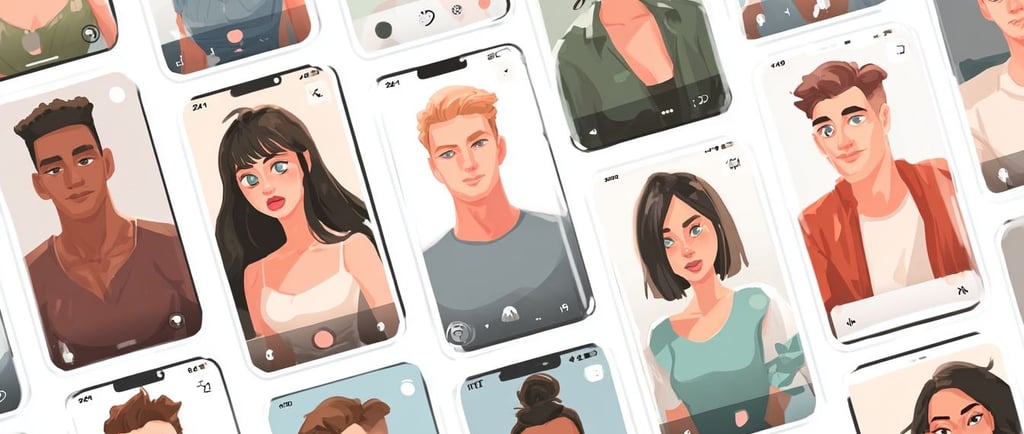

Fake sugar daddy profiles are one of the biggest risks in online sugar dating. They are designed to look appealing, trustworthy, and financially generous — while avoiding transparency. Learning how to identify these profiles early is essential for protecting your time, privacy, and expectations.
This guide explains the most common warning signs, how scams typically operate, and how legitimate sugar dating platforms reduce these risks.
Why Fake Sugar Daddy Profiles Exist
Scam profiles are created to exploit high-intent searches and emotional vulnerabilities. Keywords related to fast money, online-only connections, or guaranteed support attract users who may be new or cautious. Fake profiles take advantage of this by offering certainty where real platforms cannot.
Their goal is not connection — it is extraction. This can include personal data, off-platform communication, or financial manipulation.
Red Flag #1: Overpromising Without Context
One of the clearest signs of a fake sugar daddy profile is unrealistic certainty. Claims like immediate support, no expectations, or effortless benefits appear attractive but lack explanation.
Legitimate profiles describe preferences, boundaries, and communication style. Fake ones focus only on outcomes, avoiding how trust or compatibility is established.
If a profile emphasizes what you will receive but never explains how the relationship works, caution is warranted.
Red Flag #2: Vague or Generic Profile Content
Many fake profiles use polished but empty language. Phrases are broad, interchangeable, and emotionally appealing without being specific.
Common characteristics include:
No clear lifestyle details
Minimal personal interests
Repetitive phrases found across multiple profiles
Overly perfect tone with no nuance
Authentic users usually include natural inconsistencies, preferences, and limits. Generic perfection is often manufactured.
Red Flag #3: Pushing Communication Off the Platform
A strong warning sign is pressure to move conversations away from the platform immediately. This may include requests to switch to private messaging apps or email before any meaningful interaction has taken place.
Reputable sugar dating platforms encourage users to stay within built-in messaging systems because moderation and reporting tools only function there. Scammers avoid these environments because oversight limits their tactics.
Red Flag #4: Avoiding Verification or Accountability
Fake profiles often resist any form of verification. They may dismiss it as unnecessary, inconvenient, or a sign of mistrust.
Legitimate users understand that verification protects everyone. Platforms with moderation systems rely on it to reduce fraud. Reluctance to engage with these safeguards is a strong indicator of bad intent.
Red Flag #5: Emotional Manipulation Early On
Another common tactic is rapid emotional escalation. Compliments arrive quickly, trust is assumed immediately, and urgency is introduced early.
This strategy short-circuits rational evaluation. Authentic connections develop through conversation, not pressure. When emotional intensity replaces clarity, risk increases.
How Legitimate Platforms Reduce Fake Profiles
While no system is perfect, reputable sugar dating platforms invest in safeguards such as:
Profile moderation and review
User reporting mechanisms
Messaging controls and boundaries
Clear community guidelines
These features do not promise outcomes. They reduce exposure to abuse and allow users to disengage safely.
Understanding how legitimate sugar apps actually work helps clarify why automatic payments and instant promises are incompatible with real platform design.
What to Do If You Encounter a Suspicious Profile
If something feels off, trust that instinct. The safest actions include:
Stop responding
Do not share personal information
Avoid off-platform communication
Use reporting tools when available
Protecting yourself does not require confrontation. Distance is often the most effective response.
Related Guides
For broader context, these resources explore connected topics in more detail:
Together, these guides form a practical framework for recognizing risks and navigating sugar dating responsibly.
FAQ
What is a fake sugar daddy profile?
A fake sugar daddy profile is created to mislead users rather than form genuine connections. These profiles often use exaggerated claims, vague information, and pressure tactics to gain trust quickly or push interactions off-platform.
What are the most common signs of a fake sugar daddy profile?
Common signs include unrealistic promises, generic or copy-paste profile text, pressure to move communication off the platform, refusal to verify identity, and emotional intensity early in conversations.
Do fake sugar daddy profiles always promise money?
Not always. While many use payment promises, others rely on emotional manipulation, urgency, or secrecy. The key indicator is not the promise itself but the lack of clear explanations and boundaries.
Why do scammers avoid on-platform messaging?
On-platform messaging includes moderation, reporting, and monitoring tools. Scammers prefer off-platform communication because it removes oversight and reduces accountability.
Can a well-written profile still be fake?
Yes. Fake profiles can appear polished and convincing. Consistency over time, willingness to verify, and respect for boundaries are more reliable indicators of authenticity than writing quality alone.
How do legitimate sugar dating platforms reduce fake profiles?
Legitimate platforms use profile moderation, verification tools, reporting systems, and clear community guidelines. These measures do not guarantee outcomes but significantly reduce fraudulent activity.
What should I do if I suspect a fake profile?
Stop engaging, avoid sharing personal information, and use the platform’s blocking or reporting tools. You are not required to explain or justify disengaging.
How can users protect themselves long-term?
Learning common scam patterns, following an online sugar dating safety checklist, and focusing on communication quality rather than promises help reduce long-term risk.
Conclusion: Awareness Is Your Best Protection
Spotting fake sugar daddy profiles is less about suspicion and more about pattern recognition. Unrealistic promises, vague profiles, pressure tactics, and avoidance of safeguards all point in the same direction.
Legitimate sugar dating relies on communication, boundaries, and gradual trust — not shortcuts. Understanding these differences helps you avoid scams and engage with platforms from a position of clarity and control.
© 2025.SugarDaddyPage.com All rights reserved.